
On the night of August 31, 2025, Afghanistan was struck by a powerful 6.0-magnitude earthquake that shook the eastern region, leaving behind a trail of destruction. At least 800 people lost their lives, and over 2,500 were injured, according to official figures. The death toll, however, is expected to rise as rescuers continue to search through collapsed homes and debris.
This tragic event has once again highlighted Afghanistan’s vulnerability to natural disasters, particularly earthquakes. With its mountainous terrain, fragile infrastructure, and ongoing humanitarian crisis, the country finds itself grappling with yet another devastating blow.
The Earthquake: Epicentre and Impact
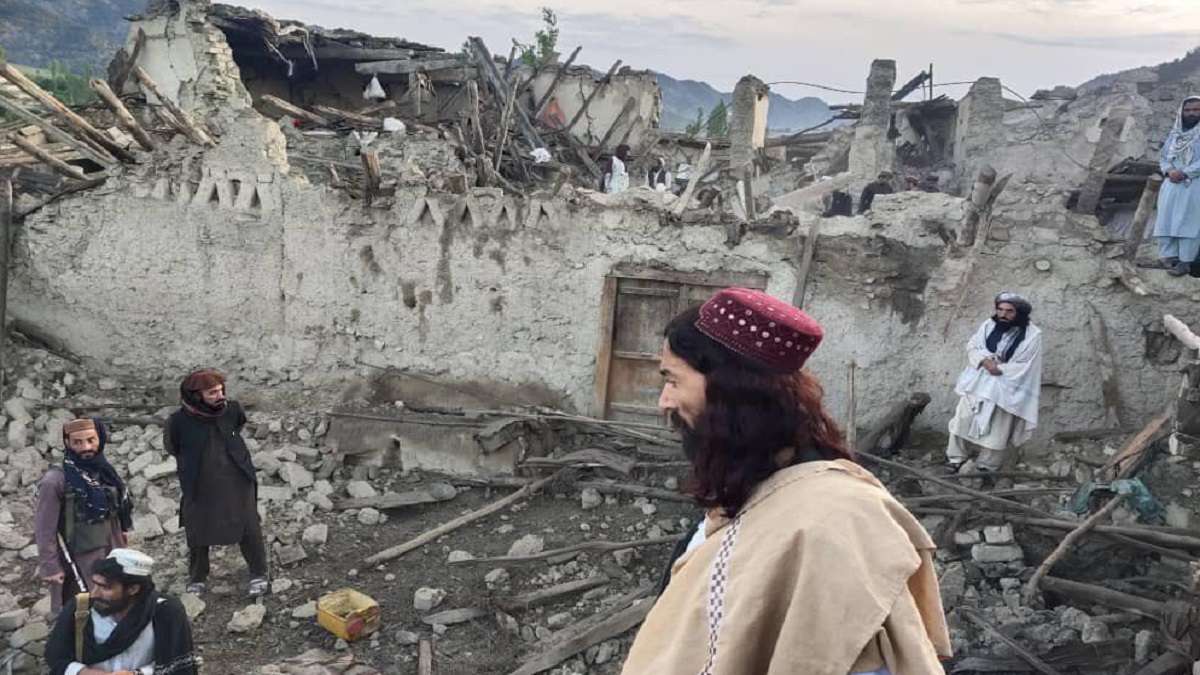
The epicentre of the earthquake was located near Jalalabad in Nangarhar province, close to the border with Pakistan. The tremors were shallow, occurring at a depth of just 8 kilometers. Shallow earthquakes are often the deadliest, as their energy is released closer to the Earth’s surface.
The provinces of Kunar, Laghman, Nuristan, and Nangarhar were worst affected. Homes, schools, and small shops, many of which were made from mud bricks and poorly reinforced concrete, crumbled in seconds. Survivors described terrifying moments when the ground shook violently, followed by multiple aftershocks that continued into the next day.
Residents in Kabul and even parts of Pakistan’s Punjab and Khyber Pakhtunkhwa provinces also felt the tremors, though the worst destruction was concentrated in rural Afghanistan.
Rising Toll and Rescue Challenges
Rescue operations have been severely hampered by landslides, flooding, and blocked roads. Eastern Afghanistan’s terrain is rugged and mountainous, making it extremely difficult for emergency workers to reach remote villages. In many places, helicopters were the only way to transport the injured to hospitals.
Local hospitals in Asadabad and Jalalabad quickly became overwhelmed with casualties. Videos from the ground showed patients being treated in corridors and makeshift tents, while doctors worked with limited supplies. With many medical facilities already struggling due to a lack of funding, the sudden surge of patients has pushed the system to its breaking point.
The Taliban administration has deployed army units, civil defense teams, and medical workers to the affected areas. However, they face shortages of equipment, medicine, and heavy machinery needed to clear debris. Aid agencies warn that the death toll could rise sharply as many people are still trapped under collapsed homes.
International and Regional Response
The earthquake has drawn international attention and offers of support. The United Nations expressed deep sorrow over the tragedy, stating that its teams are already on the ground providing emergency relief, including food, water, and temporary shelters.
Neighboring countries, including India, have pledged humanitarian assistance. Prime Minister Narendra Modi expressed condolences and assured that India stands ready to provide medical and logistical aid. Pakistan also reported readiness to assist, given the proximity of the epicentre to its own border regions.
However, coordinating international aid in Afghanistan is challenging due to political complexities, ongoing sanctions, and logistical hurdles. Still, in times of disaster, humanitarian aid often transcends political barriers.
trekbadlands.com | ffamousparenting.com
theworldstallest.com | moviesmanly.com | yandex-games.org
Stories of Survival and Loss
In villages across Kunar province, survivors shared heartbreaking stories. Families lost loved ones as entire homes collapsed in seconds. Many structures in the region are made of mud and stones, highly vulnerable to tremors. Survivors described the scene as “death in every home.”
One resident recalled waking up to a deafening rumble before the roof caved in. Neighbors rushed to dig people out with their bare hands, often without proper tools. Community solidarity has played a huge role in the immediate aftermath, with locals helping each other long before official rescue teams arrived.
Amid the tragedy, there were also stories of miraculous survival. In one case, a child was pulled alive from the rubble after being trapped for nearly 10 hours, sparking rare moments of hope in otherwise grim circumstances.
Why Afghanistan Is So Vulnerable
Afghanistan sits atop several active seismic fault lines, making earthquakes a frequent occurrence. But natural geography is only part of the problem. The country’s vulnerability is compounded by:
-
Poor Infrastructure – Many homes and buildings are not earthquake-resistant.
-
Poverty and Conflict – Decades of war have left Afghanistan with limited resources to invest in disaster preparedness.
-
Limited Healthcare System – Hospitals are underfunded, understaffed, and ill-equipped to handle large-scale disasters.
-
Geography – Mountainous terrain makes rescue and relief operations extremely challenging.
This is not the first time Afghanistan has faced such a catastrophe. In 2022, a 5.9-magnitude earthquake in Paktika province killed more than 1,000 people. In 2023, Herat province was struck by a series of earthquakes that left nearly 1,300 dead. Each time, the nation struggles to recover before the next disaster strikes.
Humanitarian Crisis and Overlapping Disasters
Beyond natural disasters, Afghanistan is already in the grip of a severe humanitarian crisis. Over half of its 42 million people require humanitarian aid, according to international agencies. Food insecurity, unemployment, and limited healthcare access make disasters like earthquakes far deadlier.
Experts warn that with climate change, disasters such as floods, landslides, and extreme weather events are expected to become more frequent. When combined with frequent earthquakes, this creates a continuous cycle of destruction and hardship.
Lessons and the Road Ahead
The Afghanistan earthquake is a tragic reminder of the importance of disaster preparedness. Some key lessons emerge:
-
Stronger Infrastructure: Investment in earthquake-resistant buildings is essential to prevent future tragedies.
-
Community Preparedness: Educating communities on how to respond during earthquakes can save lives.
-
International Cooperation: Afghanistan will need long-term support from international organizations and neighboring countries, not just emergency aid.
-
Healthcare Strengthening: Expanding hospitals, training staff, and ensuring medical supplies are critical.
Conclusion
The earthquake that struck Afghanistan in August 2025 has left the nation reeling, with hundreds dead, thousands injured, and many more homeless. The tragedy is not just about seismic activity but also about the deep structural vulnerabilities that make disasters so deadly in Afghanistan.
As rescue and relief operations continue, the resilience of Afghan communities is once again being tested. The world is watching closely, and while humanitarian aid is beginning to arrive, the road to recovery will be long and challenging.
This disaster serves as both a human tragedy and a wake-up call—that investing in preparedness, resilience, and international solidarity is the only way to protect vulnerable populations from the devastating power of nature.
