
For years, many women and girls have been told that severe menstrual bleeding and pain are simply part of life. They learn to plan around exhaustion, carry extra supplies, and push through days when they feel too weak to function normally. Only later do some discover that what they experienced was not ordinary. Heavy menstrual bleeding is a recognised medical condition with real physical, emotional and social consequences. Growing research is finally giving it the attention it deserves.
Understanding Heavy Menstrual Bleeding
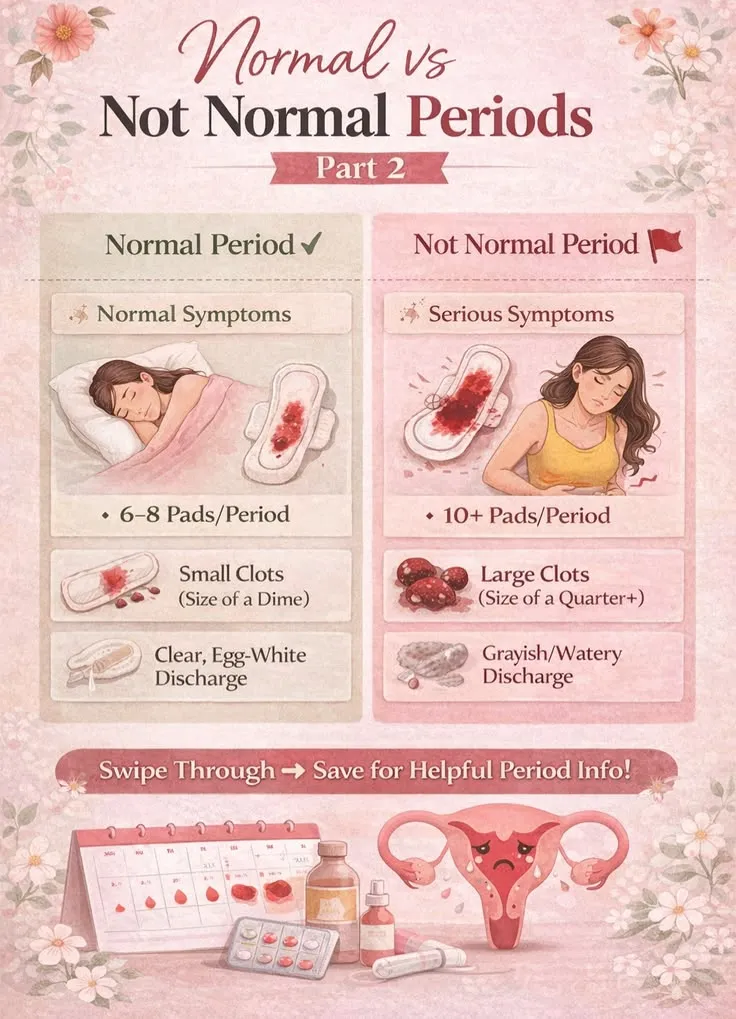
Heavy menstrual bleeding, sometimes called menorrhagia, refers to menstrual periods that are excessively heavy or prolonged and interfere with daily life. Clinically, it is often defined as blood loss greater than 80 millilitres per cycle or bleeding that lasts longer than seven days. In practice, doctors also take seriously any bleeding that a woman finds disruptive, because objective measurement is difficult outside research settings.
Studies estimate that between 10 and 30 percent of women of reproductive age experience heavy menstrual bleeding. Some research suggests the true figure may be higher because many cases go unreported or unrecognised. The condition is especially common around the start of menstruation and during the transition to menopause, when hormonal patterns are less stable, but it can occur at any point in reproductive life.
The Hidden Physical Toll
The most significant physical consequence of prolonged heavy bleeding is iron deficiency and, in more severe cases, anaemia. Each cycle of excessive blood loss depletes the body’s iron stores. Over time, this leads to reduced haemoglobin, the protein in red blood cells that carries oxygen. Symptoms include persistent fatigue, weakness, cold intolerance, headaches, poor concentration and, in some cases, unusual cravings such as chewing ice.
Research indicates that more than 40 percent of women with heavy menstrual bleeding also have iron deficiency. When left untreated, anaemia can become severe enough to require medical intervention, including iron supplementation or, in extreme situations, blood transfusion. These effects do not disappear when the period ends. Fatigue and reduced physical capacity can persist throughout the month, affecting work, studies and family life.
Heavy bleeding can also signal underlying conditions that require attention. These include fibroids, polyps, endometriosis, adenomyosis, bleeding disorders, ovulatory dysfunction and, less commonly, precancerous or cancerous changes in the uterus. Identifying and treating the root cause is therefore important not only for symptom relief but also for long-term health.
Emotional and Social Consequences
The impact of heavy menstrual bleeding extends far beyond the physical. Many women describe anxiety about leaking through clothes, the constant need to monitor bleeding, and the embarrassment of managing symptoms in public or at work. Sleep is often disrupted by the need to change products during the night. Social activities, exercise and intimate relationships can be limited by pain, fatigue or fear of accidents.
There is also a psychological burden that comes from years of being told the symptoms are normal. When a condition is minimised, people may blame themselves for not coping better. This can delay help-seeking and deepen feelings of isolation. Studies link heavy menstrual bleeding with lower self-rated health, reduced productivity and, in some cases, higher rates of depression and anxiety.
Why the Condition Has Been Underestimated
Several factors have contributed to the historical under-recognition of heavy menstrual bleeding. Menstruation remains a sensitive topic in many cultures, making open discussion difficult. Medical training has sometimes treated menstrual complaints as less urgent than other symptoms. In addition, the lack of easy, objective ways to measure blood loss means diagnosis often depends on a woman’s own description—descriptions that may be downplayed if she has been taught to accept severe symptoms as normal.
There is also a tendency to focus on reproductive outcomes rather than quality of life. A woman who is not trying to conceive may find her heavy periods treated as a minor inconvenience rather than a condition that affects her ability to function. Changing this perspective requires both better public awareness and more attentive clinical practice.
Diagnosis and When to Seek Help
Diagnosis typically begins with a detailed history of bleeding patterns, associated symptoms and impact on daily activities. Doctors may order blood tests to check for anaemia and iron deficiency, and further investigations such as ultrasound to look for structural causes. In some cases, tests for bleeding disorders or hormonal imbalances are appropriate.
Women should consider seeking medical advice if they soak through period products every one to two hours, pass large clots, bleed for more than seven days, feel persistently fatigued, or find that periods regularly disrupt school, work or social life. Early assessment can prevent complications and identify treatable causes.
Treatment Options That Can Improve Life
Treatment depends on the underlying cause, the severity of symptoms, a woman’s age and her preferences regarding future fertility. Options range from non-hormonal medications that reduce blood loss, to hormonal therapies including pills and intrauterine devices that thin the uterine lining. In some cases, procedural or surgical approaches are recommended, particularly when structural problems such as fibroids are present.
Iron supplementation is often necessary alongside treatments that reduce bleeding. Addressing anaemia can produce rapid improvements in energy and wellbeing even before the bleeding itself is fully controlled. For many women, finding an effective approach transforms not only their periods but their overall quality of life.
Changing the Conversation
Greater awareness is beginning to shift attitudes. Women are increasingly questioning the idea that debilitating periods are inevitable. Healthcare providers are being encouraged to take menstrual symptoms seriously and to offer systematic evaluation rather than reassurance alone. Public discussion helps reduce stigma and encourages earlier help-seeking.
Education also matters for younger people. When girls are taught that extreme pain and heavy bleeding warrant medical attention, they are less likely to spend years accepting unnecessary suffering. Parents, teachers and school health staff can play a supportive role by treating menstrual health as a legitimate aspect of overall wellbeing.
A Condition That Deserves Proper Attention
Heavy menstrual bleeding is not a trivial inconvenience. It is a common condition with measurable effects on physical health, emotional wellbeing and daily functioning. The tendency to normalise severe symptoms has delayed diagnosis and treatment for too many people. As research and clinical awareness improve, more women are receiving the care they need.
The experience of those who bled heavily for years before finding answers serves as an important reminder. Symptoms that interfere with life deserve investigation. Effective treatments exist, and timely intervention can prevent complications such as iron deficiency anaemia while restoring energy, confidence and quality of life. Recognising heavy menstrual bleeding as a serious health issue is an essential step toward better care for half the population.
wellnessfitgo wellnessfitgo wellnessfitgo wellnessfitgo wellnessfitgo wellnessfitgo wellnessfitgo wellnessfitgo wellnessfitgo wellnessfitgo wellnessfitgo wellnessfitgo wellnessfitgo wellnessfitgo wellnessfitgo wellnessfitgo wellnessfitgo wellnessfitgo wellnessfitgo wellnessfitgo wellnessfitgo wellnessfitgo wellnessfitgo wellnessfitgo wellnessfitgo wellnessfitgo wellnessfitgo wellnessfitgo wellnessfitgo wellnessfitgo wellnessfitgo wellnessfitgo wellnessfitgo wellnessfitgo wellnessfitgo wellnessfitgo wellnessfitgo wellnessfitgo wellnessfitgo wellnessfitgo wellnessfitgo wellnessfitgo wellnessfitgo wellnessfitgo wellnessfitgo wellnessfitgo wellnessfitgo wellnessfitgo wellnessfitgo wellnessfitgo wellnessfitgo wellnessfitgo wellnessfitgo wellnessfitgo wellnessfitgo wellnessfitgo wellnessfitgo wellnessfitgo wellnessfitgo wellnessfitgo wellnessfitgo wellnessfitgo wellnessfitgo wellnessfitgo wellnessfitgo wellnessfitgo wellnessfitgo wellnessfitgo wellnessfitgo wellnessfitgo wellnessfitgo wellnessfitgo wellnessfitgo wellnessfitgo wellnessfitgo wellnessfitgo wellnessfitgo wellnessfitgo wellnessfitgo wellnessfitgo wellnessfitgo wellnessfitgo wellnessfitgo wellnessfitgo wellnessfitgo wellnessfitgo wellnessfitgo wellnessfitgo wellnessfitgo wellnessfitgo wellnessfitgo wellnessfitgo wellnessfitgo wellnessfitgo wellnessfitgo wellnessfitgo wellnessfitgo wellnessfitgo wellnessfitgo wellnessfitgo wellnessfitgo wellnessfitgo wellnessfitgo wellnessfitgo wellnessfitgo wellnessfitgo wellnessfitgo wellnessfitgo wellnessfitgo wellnessfitgo wellnessfitgo wellnessfitgo wellnessfitgo wellnessfitgo wellnessfitgo wellnessfitgo wellnessfitgo wellnessfitgo wellnessfitgo wellnessfitgo wellnessfitgo wellnessfitgo wellnessfitgo wellnessfitgo wellnessfitgo wellnessfitgo wellnessfitgo wellnessfitgo wellnessfitgo wellnessfitgo wellnessfitgo wellnessfitgo wellnessfitgo wellnessfitgo wellnessfitgo wellnessfitgo wellnessfitgo wellnessfitgo wellnessfitgo wellnessfitgo wellnessfitgo wellnessfitgo wellnessfitgo wellnessfitgo wellnessfitgo wellnessfitgo wellnessfitgo wellnessfitgo wellnessfitgo wellnessfitgo wellnessfitgo wellnessfitgo wellnessfitgo wellnessfitgo wellnessfitgo wellnessfitgo wellnessfitgo wellnessfitgo wellnessfitgo wellnessfitgo wellnessfitgo wellnessfitgo wellnessfitgo wellnessfitgo wellnessfitgo wellnessfitgo wellnessfitgo
